Introduction
Finding a reliable ikan bilis supplier in Malaysia is more than just purchasing dried anchovies – it’s about ensuring consistent texture, taste, and food safety for your business or brand. With the right supplier, you receive products that meet your standards every time.
With over 40 years of experience, companies such as Sin Sheng Tat Trading Sdn. Bhd. deliver high-quality anchovies sourced from Malaysia, Thailand, and Vietnam, supported by full halal certification and export capability.
This guide explains how to select a trusted supplier, what to look for in product quality, and how to maintain consistent supply and freshness.
Why consistency in supply matters
For wholesalers, food manufacturers, or retail brands, inconsistent batches of anchovy (ikan bilis) cause major issues: varying color, uneven frying, fluctuating cost, or even customer complaints.
Good suppliers ensure:
- Stable sourcing and stock year-round by partnering with multiple regions to maintain availability.
- Graded size and appearance so your product output remains uniform.
- Proper storage and packaging to preserve freshness and prevent spoilage.
When your supplier delivers consistent quality, you can plan menus, packaging, and pricing without the risk of variation.
Key criteria for selecting a top ikan bilis supplier in Malaysia
When assessing potential suppliers, keep these criteria in mind:
-
Certifications and food safety
Look for halal certification from JAKIM and proper hygiene or quality assurance systems. This confirms sourcing, segregation, cleaning, and processing standards are strictly followed.
-
Product range and grading
Review the variety of anchovy grades offered. A good supplier provides multiple types such as Kim Sua S, Kim Sua M, Pek Pak, and Kopek Langkawi, catering to different end uses.
-
Traceability and transparency
The best suppliers can show sourcing region, drying methods, moisture content, and packaging details. This helps you monitor consistency and safety.
-
Export readiness
Even if you are sourcing locally, a supplier with export experience ensures higher standards – better packaging, documentation, and handling.
-
Packaging and logistics
Check how the anchovies are packed, how they arrive (moisture-proof and sealed), and how long the shelf life is. Good logistics preserve texture from supplier to your site.
What defines quality and freshness in anchovies
When you receive samples or evaluate supply, these features are indicators of quality:
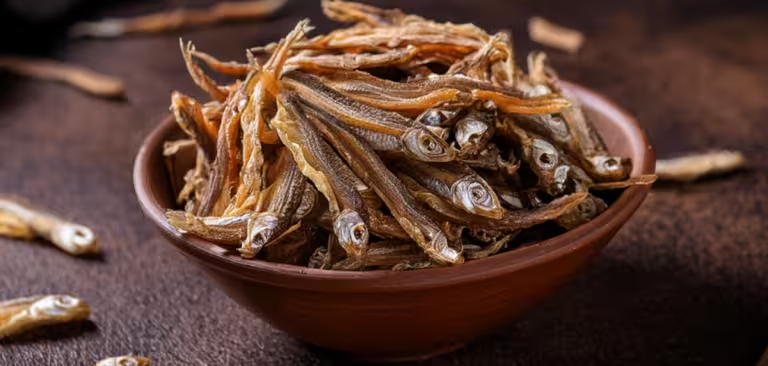
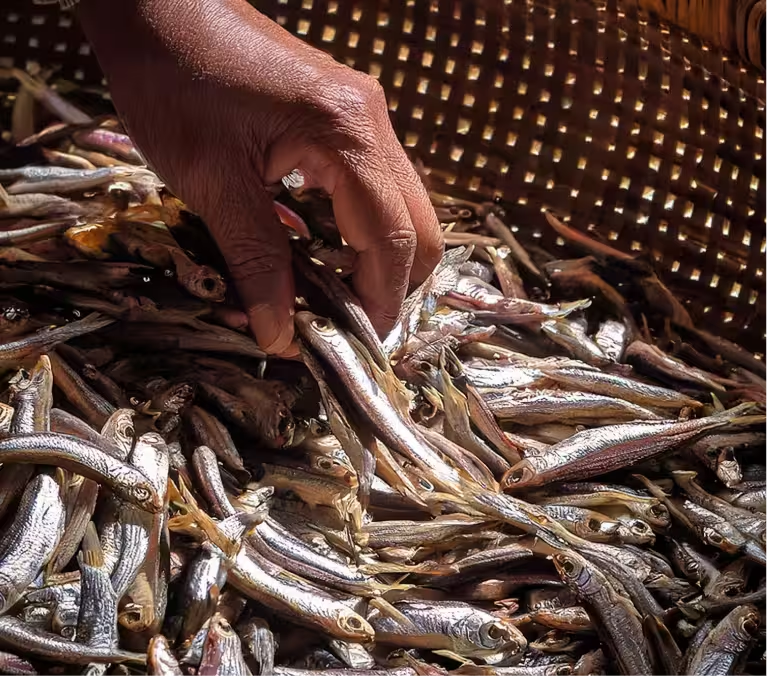
- Appearance: Light golden or silver sheen, no dark patches, and uniform size.
- Smell: Clean, slightly marine but not fishy; no off-odours.
- Texture: Dry and slightly brittle for frying types, firm for larger grades.
- Moisture content: Low moisture means longer shelf life and less risk of spoilage.
- Packaging: Airtight, sealed, and clearly labelled with grade, origin, date, and batch number.
Suppliers who maintain strict quality assurance and hygiene in drying and grading can consistently deliver high-quality anchovies.
When you adopt these criteria, you reduce the risk of variation and improve final product consistency, whether for snack, topping, or export.
Ensuring supply continuity and relationship management
Once you select a supplier, maintaining the supply and freshness matters:
- Forecast demand: Share your sales or usage forecast so the supplier reserves appropriate stocks.
- Agree on specifications: Fix grade, colour, size, moisture threshold, packaging, and delivery schedule in writing.
- Sampling program: Before each delivery cycle, inspect sample batches to ensure consistency.
- Quality assurance protocol: Request occasional lab tests (moisture, microbial load) to ensure standards are maintained.
- Feedback loop: Report any issues promptly to the supplier and set corrective measures.
- Logistics and storage: Receive the anchovies promptly, store them in cool, dry conditions, and use FIFO (first-in, first-out) to preserve freshness.
By working collaboratively with your supplier, you build trust and reduce supply disruptions.
Common mistakes to avoid
When sourcing anchovies, many buyers make avoidable mistakes:
- Ignoring moisture or storage conditions: Even good products can spoil if poorly packed or stored.
- Focusing only on price: Very cheap anchovies often compromise on size uniformity, colour, or drying – leading to unpredictable frying behaviour.
- Not verifying certifications or origin: Without halal, traceability, or export clearance, your product may get rejected by key markets.
- Using a single source without backup: Sudden fishery disruptions or drying problems can halt supply. Diversify your supply base.
Avoiding these errors ensures fewer surprises and better product outcomes.
Conclusion
In the competitive food industry, a reliable anchovies supplier in Malaysia is not merely a vendor – it’s a partner in your product quality, brand reputation, and supply chain stability.
By selecting a supplier who meets certifications, offers clear product grading, and demonstrates consistent supply, you ensure the anchovies you receive are fresh, uniform, and safe for your customers.
Malaysia’s anchovy supply industry, led by experienced firms like Sin Sheng Tat, offers excellent opportunities for those who invest in the right relationship. Choose wisely, set clear specifications, and maintain open communication – and you’ll be well-positioned for consistent quality and freshness in your anchovy-based products.
Frequently Asked Questions (FAQs)
How can I tell if an ikan bilis supplier maintains consistent product quality?
A reliable supplier provides graded batches with uniform size, color, and texture. They also follow strict drying and hygiene processes, supported by halal or quality certifications that ensure every batch meets the same standard.
Why is halal certification important when choosing an anchovy supplier in Malaysia?
Halal certification ensures anchovies are processed, stored, and packaged according to Islamic guidelines. It also reflects good hygiene and traceability practices, giving both local and export buyers confidence in product safety and compliance.
What packaging features help preserve anchovy freshness during storage or shipping?
High-quality suppliers use airtight, moisture-proof packaging with clear labelling of batch numbers, production dates, and grades. This prevents contamination, reduces moisture exposure, and keeps anchovies crisp and flavorful for longer.
What should I consider before signing a long-term supply agreement with an anchovy supplier?
Before committing, review product samples, confirm quality consistency, and verify certifications. Discuss delivery schedules, packaging options, and backup sourcing to ensure reliable supply throughout the year.
How do Malaysian anchovy suppliers ensure year-round stock availability?
Experienced suppliers maintain partnerships with fisheries across Malaysia, Thailand, and Vietnam. This regional sourcing strategy helps them manage seasonal fluctuations and guarantee continuous supply to wholesalers and exporters.