Malaysia’s Growing Role in Anchovy Export
Malaysia has earned a strong reputation as one of Southeast Asia’s most reliable sources for premium dried anchovies. With its vast coastline, established fishing communities, and advanced processing standards, the country supplies anchovies that meet both local demand and international export quality. For global importers, retailers, and distributors, Malaysia offers a consistent supply of anchovies that are Halal-certified, properly graded, and expertly dried for long shelf life.
If you’re planning to source anchovies from Malaysia, understanding the process – from selection to export – ensures you get high-quality products that meet market standards.
Understanding Malaysia’s Anchovy Varieties
Before sourcing, it’s important to recognize the different types of anchovies (ikan bilis) available in Malaysia. Each variety has its own size, flavor, and texture profile suited for different uses:
- Kim Sua S & Kim Sua M: Smaller, fine-textured anchovies ideal for crispy fried snacks or sambal.
- Pek Pak: Medium-sized, versatile anchovies used for soups or stir-fried dishes.
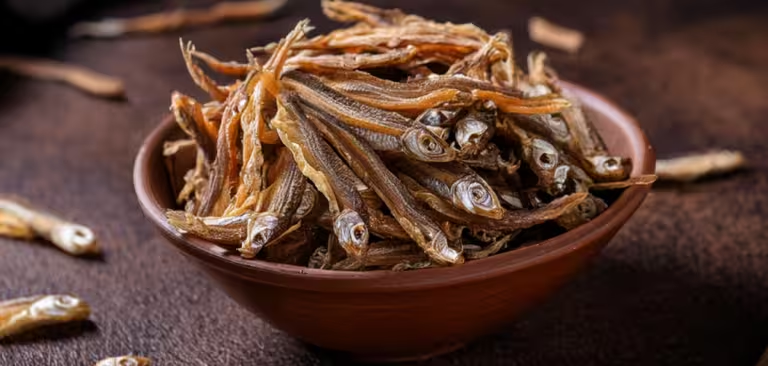
- Kopek Langkawi 2 / 4: Peeled anchovies known for their clean appearance and lighter color, suitable for export and ready-to-cook products.
- Bun Tiao: Larger anchovies with a stronger flavor, commonly used in broths or bulk production.
Choosing the right type depends on your target market – whether for retail packaging, food processing, or wholesale distribution.
What Defines High-Quality Anchovies for Export
High-quality anchovies must meet both visual and safety standards to qualify for export. Reliable suppliers in Malaysia maintain quality through:
- Fresh sourcing: Anchovies are caught and processed quickly to retain flavor and texture.
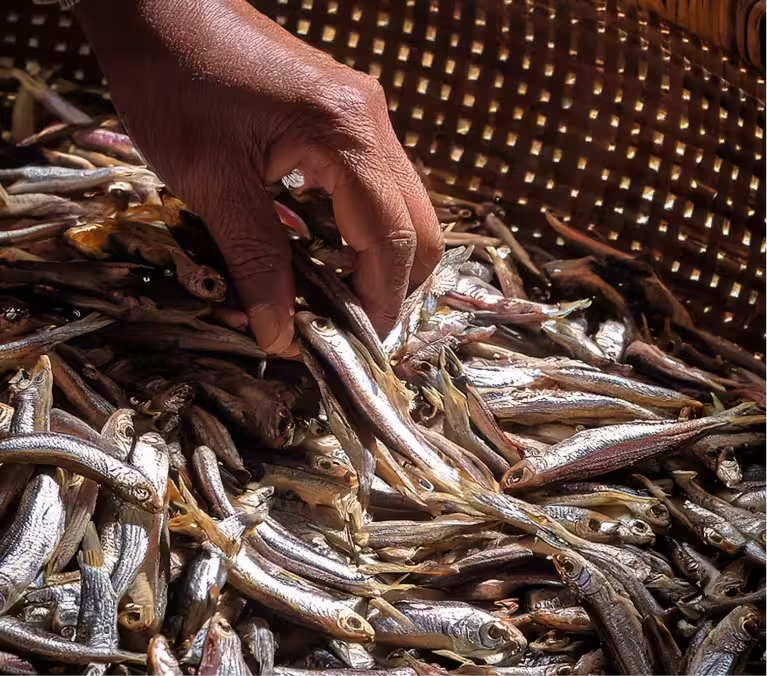
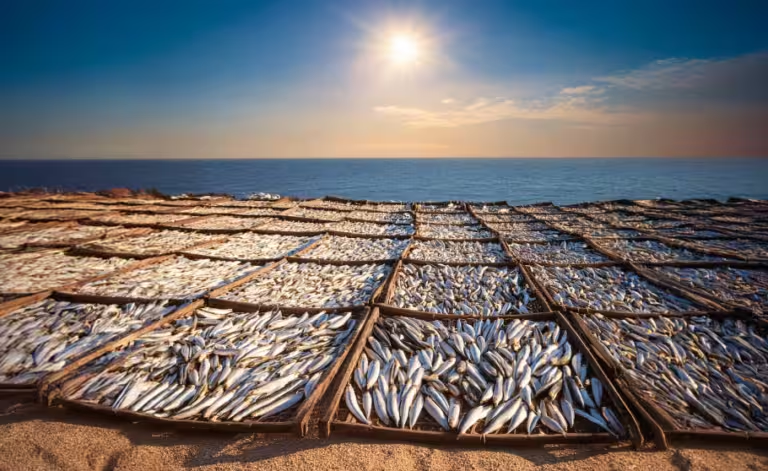
- Proper cleaning and grading: Fish are carefully cleaned, sun-dried, and sorted by size and color.
- Low moisture content: Ensures longer shelf life and prevents mold or spoilage.
- Uniform appearance: Light golden color with minimal salt residue or impurities.
- Halal certification: Approved by JAKIM, confirming compliance with Islamic processing standards.
These factors are essential for international buyers who require consistency and traceability across all shipments.
Benefits of Sourcing from a Certified Malaysian Supplier
Working with an experienced anchovy supplier in Malaysia offers several key advantages:
- Halal and food safety assurance: Products are processed under certified facilities meeting Malaysian and export requirements.
- Stable year-round supply: Malaysia’s coastal fisheries and storage facilities support consistent exports.
- Custom packaging and labeling: Suitable for different export markets such as Singapore, Australia, and the Middle East.
- Export experience: Trusted suppliers are familiar with international documentation, logistics, and customs compliance.
For example, suppliers like Sin Sheng Tat specialize in a range of anchovy types and maintain strict quality control at every stage, ensuring that each batch meets export standards.
Key Steps to Sourcing Anchovies for Export
Step 1: Identify your product specifications
Decide on anchovy type, size, moisture level, and packaging format (bulk or retail).
Step 2: Verify supplier credentials
Ensure your supplier has valid Halal, food safety, and export licenses. Request product photos, certifications, and test reports when possible.
Step 3: Request product samples
Sampling helps assess anchovy size, color, and aroma – essential for evaluating consistency before committing to bulk orders.
Step 4: Discuss logistics and export documentation
Reliable suppliers handle export permits, customs forms, and health certificates to streamline cross-border delivery.
Step 5: Establish long-term partnerships
Building a stable relationship ensures priority access to premium batches, competitive pricing, and consistent quality for repeat exports.
Common Export Destinations for Malaysian Anchovies
Malaysia exports anchovies to numerous international markets due to their quality and Halal certification. Popular export destinations include:
- Singapore and Brunei – for retail and restaurant supply
- Australia and New Zealand – for multicultural food markets
- The Middle East – where Halal compliance is essential
- Japan and South Korea – for processed seafood applications
Malaysian anchovies are often preferred for their flavor balance, texture, and reliability in meeting international import standards.
Ensuring Sustainable and Ethical Sourcing
As global buyers become more conscious of sourcing practices, reputable suppliers in Malaysia are moving toward sustainable fishing and traceable supply chains. Working with suppliers who follow ethical sourcing helps:
- Protect marine resources and local fishing communities
- Enhance brand reputation among eco-conscious consumers
- Ensure long-term stability in product availability
Choosing a supplier that values both quality and sustainability strengthen your export credibility and customer trust.
Conclusion: Partnering with Malaysia’s Trusted Anchovy Exporters
When it comes to anchovies supply and export from Malaysia, success lies in partnering with the right supplier. By selecting certified, experienced exporters who maintain strict quality standards and understand global requirements, you can secure anchovies that meet your business and customer expectations.
Malaysia’s anchovy industry continues to thrive, combining traditional drying methods with modern quality assurance, making it an excellent source for premium anchovies for global markets.
Frequently Asked Questions (FAQs)
How can I verify if a Malaysian anchovy supplier is export-certified?
You can check if the supplier holds Halal certification (JAKIM), export licenses, and food safety accreditation such as HACCP or GMP. Reputable suppliers usually list these credentials on their website or provide documentation upon request.
What type of anchovies are most suitable for international export?
Peeled and graded anchovies, such as Kopek Langkawi varieties, are most export-ready. They are clean, uniform in size, and low in moisture, which ensures consistent quality and longer shelf life for overseas markets.
How do suppliers ensure anchovies remain fresh during international shipping?
Exporters use airtight packaging, desiccant packs, and moisture control during packing. Shipments are stored in dry, cool environments to maintain freshness and prevent contamination throughout transit.
Can I order anchovy samples before confirming a bulk export order?
Yes. Most Malaysian suppliers provide product samples upon request so buyers can evaluate texture, aroma, and appearance before finalizing export contracts. Sampling ensures quality consistency and suitability for your market.
What are the key documents needed when importing anchovies from Malaysia?
Common documents include:
- Halal certification (JAKIM)
- Health and origin certificates
- Export license and invoice
- Product specification sheets
These confirm that the anchovies meet food safety and international trade standards.