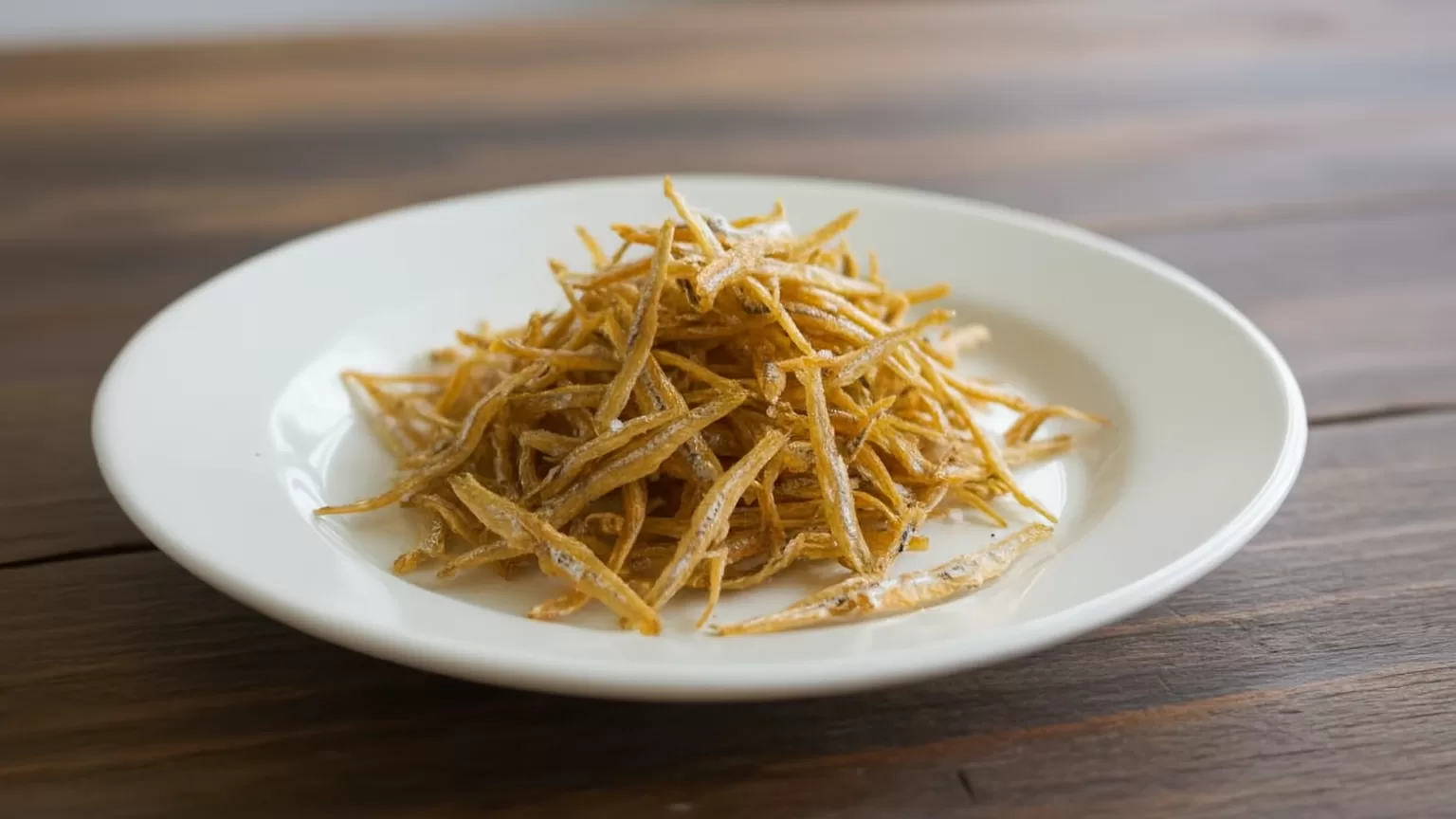
Fried anchovies, or ikan bilis goreng, are a true reflection of Malaysia’s love for simple yet flavorful food. Whether served with nasi lemak, mixed into sambal, or enjoyed as a crispy snack, these tiny fish add a distinctive crunch and umami kick that Malaysians can’t get enough of.
But behind every delicious batch of fried anchovies lies a careful process, from sourcing and drying to frying, that ensures their signature texture and taste. For restaurants, food producers, and home cooks alike, partnering with a trusted ikan bilis supplier Malaysia helps maintain that perfect quality every time.
A Staple in Malaysian Cuisine
Ikan bilis goreng isn’t just an ingredient; it’s a culinary symbol. Found in kitchens across the country, it completes beloved dishes like nasi lemak and mee goreng, and even serves as a popular snack on its own.
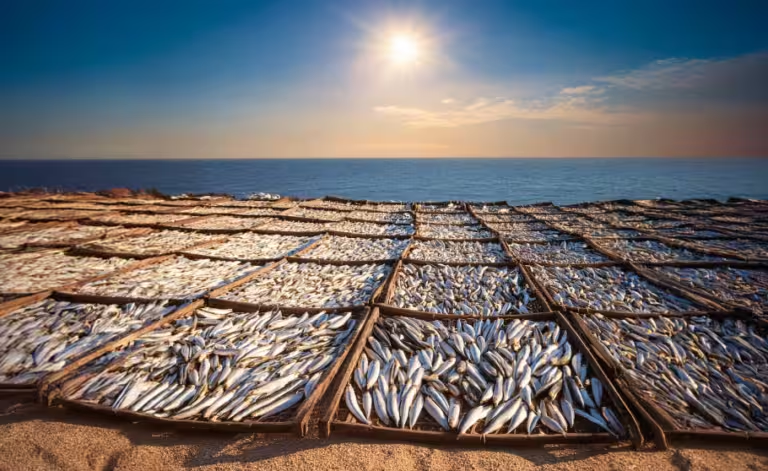
Different regions in Malaysia, such as Langkawi, are known for producing top-quality anchovies. These coastal areas offer ideal conditions for fishing and drying, giving the anchovies a rich, savory taste once fried.
From Sea to Kitchen: The Journey of Ikan Bilis
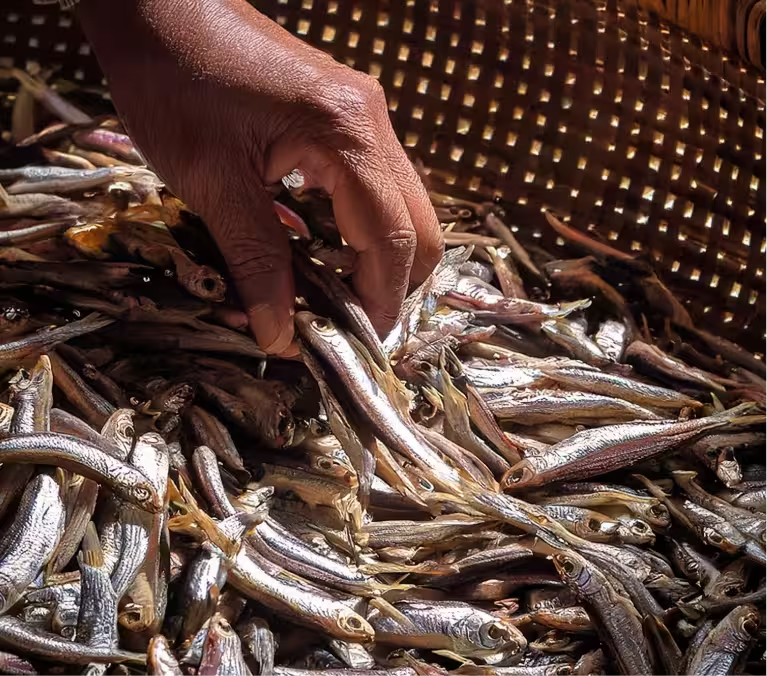
It all begins with freshly caught anchovies from Malaysia’s coastal waters. The fish are cleaned, split, and sun-dried to preserve their natural flavor. This traditional drying process reduces moisture, giving anchovies a longer shelf life and a more concentrated umami taste.
A reputable supplier of ikan bilis follows strict quality control at every stage:
- Sorting: Ensuring consistent size and shape for even frying.
- Drying: Using natural or temperature-controlled methods for ideal crispness.
- Packaging: Sealing freshness with hygienic, moisture-proof materials.
These practices ensure that the anchovies retain their aroma, flavor, and crunch long after they’re packed and shipped.
Picking the Best Anchovies for Frying
Not all anchovies are suitable for frying. Smaller varieties, often called Kim Sua S, are ideal because they turn light and crispy without becoming chewy.
When selecting anchovies for frying, here’s what to look for:
- Pale golden color: A sign of good drying and minimal oxidation.
- Fresh smell: Indicates cleanliness and proper storage.
- Even size: Ensures uniform frying and texture.
Working with a reliable ikan bilis supplier guarantees that these quality traits are met consistently, whether for household use or large-scale production.
How to Get the Perfect Crunch
Frying anchovies may seem simple, but achieving the perfect crisp texture takes attention to detail. Here are some tips practiced by experienced cooks:
- Rinse before frying: This removes excess salt and reduces bitterness. Always dry thoroughly afterward.
- Control the heat: Use medium heat to cook evenly without burning.
- Avoid overcrowding: Fry in small batches to keep them crunchy.
- Cool completely: Allow the fried anchovies to cool before sealing to maintain crispness.
These steps ensure that every batch of ikan bilis goreng comes out golden, crispy, and full of flavor, just like the ones Malaysians grew up with.
The Value of a Trusted Supplier
Behind every successful food business is a dependable ikan bilis supplier. For manufacturers, caterers, and retailers, having a consistent source of high-quality anchovies makes all the difference.
Reliable suppliers don’t just sell anchovies; they provide quality assurance, sustainable sourcing, and halal compliance. Many work closely with local fishermen, ensuring ethical practices and freshness from sea to shelf.
A professional supplier also ensures:
- Traceability: Full visibility of sourcing origins.
- Consistency: Uniform size and flavor in every shipment.
- Halal certification: Compliance with Malaysia’s food standards.
This commitment to quality gives businesses peace of mind and consumers the assurance that they’re getting only the best.
Creative Ways to Enjoy Ikan Bilis
Beyond its traditional uses, fried anchovies have found their way into countless modern dishes. Some creative ideas include:
- Snack mixes: Tossed with peanuts, chili, or honey for a sweet-spicy bite.
- Toppings: Sprinkled over noodles, porridge, or salads for added crunch.
- Fusion recipes: Blended into pasta, stir-fries, or even gourmet appetizers.
These creative twists show how versatile ikan bilis goreng can be, as it’s not just a side dish but a flavor enhancer that bridges tradition and modern taste.
Conclusion
From humble fishing villages to the tables of fine restaurants, fried anchovies continue to hold a special place in Malaysian hearts. Their savory crunch and aroma embody the simplicity and richness of local cuisine.
Whether you’re a chef, wholesaler, or food enthusiast, sourcing from a trusted ikan bilis supplier in Malaysia ensures you always get anchovies that are fresh, consistent, and delicious. With careful preparation and reliable sourcing, every batch of ikan bilis goreng can capture the authentic flavor that makes Malaysian food truly unforgettable.
Frequently Asked Questions (FAQs)
What type of anchovies are best for making ikan bilis goreng Malaysia?
The best anchovies for ikan bilis goreng in Malaysia are small-sized dried anchovies such as Kim Sua S. These anchovies fry evenly, turn crispy, and deliver the signature crunch Malaysians love. Trusted suppliers ensure they are properly cleaned, dried, and graded for consistent quality.
How can I keep fried anchovies crispy after frying?
To maintain crispiness:
- Drain excess oil immediately after frying.
- Let the anchovies cool completely before storing.
- Keep them in an airtight container away from moisture.
Proper cooling and storage preserve the crunch and flavor for weeks.
What oil and temperature are best for frying ikan bilis goreng Malaysia?
For the best results, use neutral oils such as palm oil or vegetable oil, as they enhance crispiness without overpowering the anchovies’ flavor.
Keep the oil temperature around 160–170°C. Fry the anchovies in small batches until golden brown, then drain and cool completely to lock in the crunch.
Are the anchovies from Malaysia suitable for export markets?
Yes. Malaysian suppliers export ikan bilis goreng and raw anchovies worldwide, supported by halal certification and strict quality standards. Their products are trusted in markets like Singapore, Australia, and the Middle East.
How can I identify high-quality dried anchovies?
High-quality dried anchovies typically exhibit:
- Uniform size and consistent color (often light golden)
- A clean, mild marine aroma, without sharp or chemical smells
- Minimal salt residue, moisture, or visible impurities
These traits suggest the anchovies were properly cleaned, dried, and handled. Good quality anchovies yield better flavor and texture when cooked or fried.