Thailand’s anchovy market has grown steadily in recent years, driven by both local consumption and international exports. Known locally as ikan bilis Siam, Thai anchovies are valued for their consistent quality, clean flavor, and careful processing methods. Many Malaysian and regional suppliers, including Sin Sheng Tat, source or export Thai anchovies due to their versatility and demand across Southeast Asia.
In this guide, we’ll look at the main types of anchovies from Thailand – including Bilis Nasi, Kopek Siam 2, Kopek Siam 2A, Kopek Siam 4, and Siam Kasar – and how each variety serves different culinary and commercial needs.
Bilis Nasi – Small Anchovies for Everyday Use
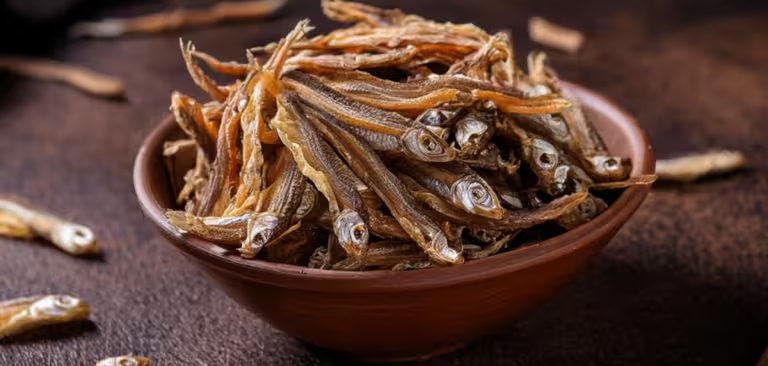
Bilis Nasi is among the most common types of Thai anchovies used across Malaysia and neighboring countries. The name “nasi” reflects its frequent pairing with rice dishes such as nasi lemak or fried rice.
- Size: Small and fine
- Color: Light golden
- Texture: Extra-crispy when fried
- Common Uses: Toppings, sambal mixes, or crunchy side dishes
Bilis Nasi is easy to prepare and fries evenly without turning bitter. Its subtle flavor makes it ideal for households and restaurants looking for affordable, high-volume anchovy options that maintain consistent taste and texture.
Kopek Siam 2 – Medium-Sized Peeled Anchovies
The Kopek Siam 2 variety refers to peeled (de-gutted) anchovies, offering both convenience and cleanliness. This mid-grade product is highly popular for quick preparation and balanced flavor.
- Size: Medium
- Color: Light golden to beige
- Texture: Firm but tender when cooked
- Common Uses: Stir-fried dishes, sambal blends, and retail packaging
Because these anchovies are already cleaned and peeled, they save significant preparation time, making them a preferred choice for ready-to-cook food producers, restaurant kitchens, and export buyers seeking reliable quality.
Kopek Siam 2A – Premium Peeled Anchovies
Kopek Siam 2A is a premium-grade version of Kopek Siam 2. It undergoes more precise cleaning and sorting, resulting in more uniform size and lighter color.
- Size: Medium and consistent
- Color: Lighter and cleaner tone
- Texture: Crisp and delicate after frying
- Common Uses: High-end packaging, export markets, and premium snack production
Suppliers often export Kopek Siam 2A to regions that prioritize presentation, hygiene, and product uniformity, such as Singapore, Japan, and premium retail markets. This grade also performs well in dishes where anchovies serve as both flavoring and garnish.
Kopek Siam 4 – Large Peeled Anchovies for Export
The Kopek Siam 4 type represents a larger, export-grade anchovy, processed for durability and visual appeal. These anchovies hold their structure well, making them suitable for markets where size and presentation matter.
- Size: Large
- Color: Pale golden
- Texture: Thick and crunchy when fried
- Common Uses: Export packaging, large-scale cooking, or dried seafood assortments
Their size makes them ideal for international buyers who prefer visibly larger anchovies for aesthetic presentation in packaged foods and retail displays.
Siam Kasar – Coarse Anchovies with a Strong Flavor
Siam Kasar literally translates to “coarse Siam anchovies.” This variety features larger bodies and a stronger umami taste, making it perfect for stock, soup bases, and deep-flavored dishes.
- Size: Large and thick
- Color: Slightly darker
- Texture: Chewy when rehydrated, crisp when fried
- Common Uses: Broths, sauces, and flavor concentrates
Because of its robust flavor, Siam Kasar is often used in commercial kitchens and food manufacturing to create anchovy-based seasonings or concentrated soup pastes. It’s less suited for crispy snacks but excels as a flavor enhancer.
Comparing the Thai Ikan Bilis Varieties
|
Variety |
Size | Peeled | Common Use |
Flavor Profile |
| Bilis Nasi | Small | No | Fried dishes, sambal | Light and crisp |
| Kopek Siam 2 | Medium | Yes | General cooking | Mild and clean |
| Kopek Siam 2A | Medium | Yes | Premium export, snacks | Delicate and balanced |
| Kopek Siam 4 | Large | Yes | Export, dried assortments | Firm and rich |
| Siam Kasar | Large | No | Soup base, stock | Strong and savory |
Each variety caters to different culinary needs. For instance, Bilis Nasi suits everyday fried dishes, while Siam Kasar works best for deep, umami-rich broths. Meanwhile, Kopek Siam 2A and Kopek Siam 4 appeal to high-end markets that value presentation and quality consistency.
Why Thai Anchovies Are in Demand
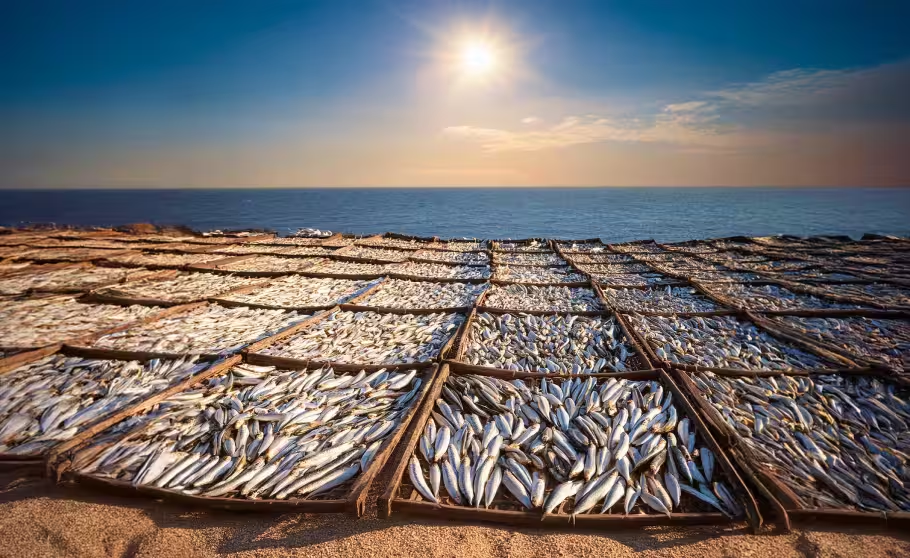
Thailand’s anchovy industry benefits from clean coastal waters, experienced processors, and strong export infrastructure. The combination of traditional sun-drying methods and modern packaging standards helps preserve freshness while meeting international food safety and Halal requirements.
Suppliers such as Sin Sheng Tat collaborate with trusted Thai producers to ensure consistent product quality, from sorting and grading to packaging and export logistics. This makes Thai anchovies a trusted choice for both local and global markets.
Final Thoughts
From the crisp and delicate Bilis Nasi to the bold and flavorful Siam Kasar, Thailand’s anchovy varieties showcase the diversity and craftsmanship of regional seafood processing. Whether you’re a wholesaler, retailer, or food manufacturer, understanding the unique traits of each ikan bilis Thailand type ensures better product selection and customer satisfaction.
For businesses seeking a reliable ikan bilis supplier in Malaysia with Thai anchovy options, Sin Sheng Tat provides a full range – Bilis Nasi, Kopek Siam 2, Kopek Siam 2A, Kopek Siam 4, and Siam Kasar – all carefully packed to preserve freshness, flavor, and authenticity.
Frequently Asked Questions (FAQs)
What makes Thai anchovies different from Malaysian anchovies?
Thai anchovies are known for their lighter color, milder flavor, and consistent grading, thanks to Thailand’s controlled drying process and coastal harvesting. They are often preferred for export and premium packaging due to their clean presentation.
Which type of Thai anchovy is best for export markets?
Kopek Siam 2A and Kopek Siam 4 are most suitable for export because they are peeled, uniformly sized, and visually appealing, meeting international food safety and Halal standards required by overseas buyers.
How do I choose the right Thai anchovy for my business use?
Select based on your application and customer preference:
- Bilis Nasi – everyday cooking and sambal
- Kopek Siam 2/2A – clean, convenient, export-ready
- Siam Kasar – strong flavor for soup or stock
This ensures the best texture and flavor match for your products.
Are Thai anchovies suitable for value-added products like sambal or snacks?
Yes. Thai anchovies, especially Bilis Nasi and Kopek Siam 2A, are ideal for ready-to-eat products because of their consistent size, mild saltiness, and crisp texture after frying or baking.
How can I ensure the Thai anchovies I buy maintain freshness during storage?
Keep them in airtight packaging, away from heat, sunlight, and moisture. For bulk storage, use cool, dry conditions and avoid frequent exposure to air. This preserves color, aroma, and crunch over time.